Sets
127 Inhalte
- Seite 1 von 11
MAS 004
Name that can easily go onto 2 lines
Author that can easily go onto 2 lines as well
- Titel
- MAS 004
- Untertitel
- Jan van Toorn, Rethinking the Brief
- Autor/in
- Beschreibung (de)
- Die vierte Ausgabe von "Materialien für Ausstellungsdesign und Szenografie", MAS 004, widmet sich den Ausstellungsgestaltungen des niederländischen Kommunikationsdesigners Jan van Toorn. Bereits seit den frühen 1970er Jahren ist er für die Gestaltung von Kalendern, Postern und Katalogen, von denen viele für das Van Abbemuseum in Eindhoven entstanden sind, international bekannt. Van Toorn betrachtet Objektivität und Neutralität als Illusion, vielmehr versteht er jede gestalterische Handlung als subjektiven Ausdruck. Diese Überzeugung führte Jan van Toorn dazu, den “dialogischen Charakter“ von Design herauszuarbeiten. Seine Gestaltungen öffnen unterschiedliche Bedeutungsmöglichkeiten und sollen zu einer kritischen, nicht eindeutigen, Rezeption aktivieren. Die Produktion und Reflektion dialogischer Formen von Design verbindet Jan van Toorns mit der Arbeit der Kunsthistorikerin und Designtheoretikerin Els Kuijpers. In ihrer Forschung beschäftigt sie sich damit, wie Sprache – visuell und schriftlich – Bedeutung in dynamischen sozialen Gefügen herstellt. Um Designtheorie und -praxis zusammenzuführen, “in thinking and making” wie sie sagen, untersuchen sie die Inszenierung von Botschaften und haben daraus eine spezielle editoriale Gestaltungsmethode entwickelt.
Im Frühjahr 2017 lud van Toorn die MAS-Redaktion nach Amsterdam ein, wo ein Gespräch und eine extensive Materialsichtung von seinen Ausstellungsgestaltungen und Katalogen stattfand. MAS 004 vermittelt anhand von fünf Ausstellungsbeispielen Jan van Toorns Begriff von visueller Kommunikation im Raum, einer Form der körperlichen Erfahrung der Inhalte, einem Lesen ohne Text. Ergänzt wird dieses Material durch ein E-mail-Interview mit Els Kuijpers, in welchem es um die Performativität und Erfahrung von Gestaltung geht, sowie um die Möglichkeiten der Übersetzung von gestalterischer Praxis in Sprache.
- Die vierte Ausgabe von "Materialien für Ausstellungsdesign und Szenografie", MAS 004, widmet sich den Ausstellungsgestaltungen des niederländischen Kommunikationsdesigners Jan van Toorn. Bereits seit den frühen 1970er Jahren ist er für die Gestaltung von Kalendern, Postern und Katalogen, von denen viele für das Van Abbemuseum in Eindhoven entstanden sind, international bekannt. Van Toorn betrachtet Objektivität und Neutralität als Illusion, vielmehr versteht er jede gestalterische Handlung als subjektiven Ausdruck. Diese Überzeugung führte Jan van Toorn dazu, den “dialogischen Charakter“ von Design herauszuarbeiten. Seine Gestaltungen öffnen unterschiedliche Bedeutungsmöglichkeiten und sollen zu einer kritischen, nicht eindeutigen, Rezeption aktivieren. Die Produktion und Reflektion dialogischer Formen von Design verbindet Jan van Toorns mit der Arbeit der Kunsthistorikerin und Designtheoretikerin Els Kuijpers. In ihrer Forschung beschäftigt sie sich damit, wie Sprache – visuell und schriftlich – Bedeutung in dynamischen sozialen Gefügen herstellt. Um Designtheorie und -praxis zusammenzuführen, “in thinking and making” wie sie sagen, untersuchen sie die Inszenierung von Botschaften und haben daraus eine spezielle editoriale Gestaltungsmethode entwickelt.
- Beschreibung (en)
- The fourth edition of "Materials for Exhibition Design and Scenography", MAS 004, is dedicated to the exhibition designs of Dutch communication designer Jan van Toorn. He has been internationally renowned since the early 1970s for the design of calendars, posters and catalogs, many of which were created for the Van Abbemuseum in Eindhoven. Van Toorn regards objectivity and neutrality as an illusion; rather, he sees every creative act as a subjective expression. This conviction led Jan van Toorn to work out the "dialogical character" of design. His designs open up different possibilities of meaning and are intended to encourage a critical, ambiguous reception. Jan van Toorn's production and reflection of dialogical forms of design is linked to the work of art historian and design theorist Els Kuijpers. Her research focuses on how language - visual and written - creates meaning in dynamic social structures. In order to bring together design theory and practice, "in thinking and making" as they say, they examine the staging of messages and have developed a special editorial design method from this.
In spring 2017, van Toorn invited the MAS editorial team to Amsterdam, where a discussion and extensive material review of his exhibition designs and catalogs took place. MAS 004 uses five exhibition examples to convey Jan van Toorn's concept of visual communication in space, a form of physical experience of content, a reading without text. This material is supplemented by an e-mail interview with Els Kuijpers, which deals with the performativity and experience of design, as well as the possibilities of translating design practice into language.
- The fourth edition of "Materials for Exhibition Design and Scenography", MAS 004, is dedicated to the exhibition designs of Dutch communication designer Jan van Toorn. He has been internationally renowned since the early 1970s for the design of calendars, posters and catalogs, many of which were created for the Van Abbemuseum in Eindhoven. Van Toorn regards objectivity and neutrality as an illusion; rather, he sees every creative act as a subjective expression. This conviction led Jan van Toorn to work out the "dialogical character" of design. His designs open up different possibilities of meaning and are intended to encourage a critical, ambiguous reception. Jan van Toorn's production and reflection of dialogical forms of design is linked to the work of art historian and design theorist Els Kuijpers. Her research focuses on how language - visual and written - creates meaning in dynamic social structures. In order to bring together design theory and practice, "in thinking and making" as they say, they examine the staging of messages and have developed a special editorial design method from this.
- Typ des Projekts/Werks
- Schlagworte
- Mitwirkende
- Sprache
- Abmessungen
- DinA 4
- Ort: Institution
- Stadt
- Land
- Bemerkungen
- Heft 4: Jan van Toorn
44 Seiten
30 Abb., farbig & s/w
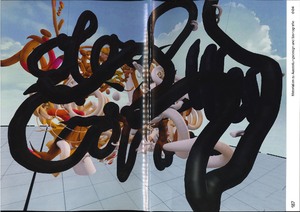
Cover: Anja Kirschner, „Review of Practice, Any day of the week, any week of any future year, or, perhaps this year“. 90102122 (3D object/drawing made in Oculus Medium, Anja Kirschner, 2018)
Grafik Credits: Bruno Jacoby, Moritz Appich
Bestellung unter mas@hfg-karlsruhe.de
- Heft 4: Jan van Toorn
- Titel
- MAS 004
- Projektleiter/in
- Semester
- Lehrveranstaltung
- Importiert am
- 21.06.2023
- Übergeordnete Sets
- 1
- Set enthält
- 0 6
MAS 003
Name that can easily go onto 2 lines
Author that can easily go onto 2 lines as well
- Titel
- MAS 003
- Untertitel
- László Moholy-Nagy, Der Kaufmann von Berlin
- Autor/in
- Beschreibung (de)
- Die dritte Ausgabe von ‚Materialien zu Ausstellungsdesign und Szenografie‘ ist der Bühnengestaltung von László Moholy-Nagy für Erwin Piscators Inszenierung des Stückes “Der Kaufmann von Berlin” von 1929 gewidmet. Die Inszenierung wurde nicht nur aufgrund der politischen Inhalte zum Skandal, auch die von der Presse als „Maschinentheater“ bezeichnete Szenografie erregte Aufsehen. Die formalen Mittel, die Moholy-Nagy in seinen Bühnenbildern für Piscator einsetzte – wie Laufbänder, mobile Stahlgestänge, Licht- und Schattenspiele, Film- und Diaprojektionen – übertrug er 1930 in seine „Ausstellungsszenografien“ für den Theaterbereich der Werkbundausstellung beim Salon des Arts Décoratifs in Paris sowie in seinen Entwurf des „Raums der Gegenwart“ für das Provinzialmuseum in Hannover. Die Radikalität von Moholy-Nagys Bühnenentwürfen geht aus den bekannten Szenenfotos von Lotte Jacobi kaum hervor. Daher umfasst das vorliegende Heft 28 von Moholy-Nagy gezeichnete Bühnenpläne, welche den bühnentechnischen Ablauf des Stückes nachvollziehbar machen, das Programmheft mit Umschlaggestaltung und Fotografien des Bühnenmodells ebenfalls von Moholy-Nagy, sowie eine ausführliche Rezension von Carl von Ossietzky, erschienen 1929 in der Weltbühne.
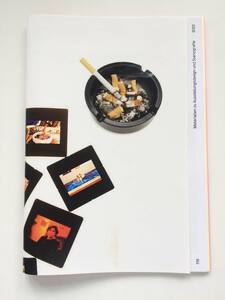
Der Umschlag des 3. MAS Heftes wurde von dem Kurator Moritz Küng gestaltet. Eingeladen auf dem Cover zum Begriff „Darstellungspolitik“ Stellung zu nehmen und inspiriert vom Titel des Magazins, musste Küng daran denken, wie sich vor rund 25 Jahren ein guter Freund – ein Anwalt für Mietrecht – bei ihm beklagte, dass er als leidenschaftlicher Fotograf eigentlich lieber Künstler geworden wäre. In einer Mischung aus Wehmut und Frustration kommentierte er im Schweizer Dialekt den Beruf des Kuratoren wie folgt: “Aber was machsch du eigentlech: Käffeli trinke, Zigarettli rauche ond Föteli luege”. Dementsprechend illustrierte Küng den Beruf des Kurators mit im Internet gefundenen Stock-Fotos (Kaffeetasse, Aschenbecher, Dias).
- Die dritte Ausgabe von ‚Materialien zu Ausstellungsdesign und Szenografie‘ ist der Bühnengestaltung von László Moholy-Nagy für Erwin Piscators Inszenierung des Stückes “Der Kaufmann von Berlin” von 1929 gewidmet. Die Inszenierung wurde nicht nur aufgrund der politischen Inhalte zum Skandal, auch die von der Presse als „Maschinentheater“ bezeichnete Szenografie erregte Aufsehen. Die formalen Mittel, die Moholy-Nagy in seinen Bühnenbildern für Piscator einsetzte – wie Laufbänder, mobile Stahlgestänge, Licht- und Schattenspiele, Film- und Diaprojektionen – übertrug er 1930 in seine „Ausstellungsszenografien“ für den Theaterbereich der Werkbundausstellung beim Salon des Arts Décoratifs in Paris sowie in seinen Entwurf des „Raums der Gegenwart“ für das Provinzialmuseum in Hannover. Die Radikalität von Moholy-Nagys Bühnenentwürfen geht aus den bekannten Szenenfotos von Lotte Jacobi kaum hervor. Daher umfasst das vorliegende Heft 28 von Moholy-Nagy gezeichnete Bühnenpläne, welche den bühnentechnischen Ablauf des Stückes nachvollziehbar machen, das Programmheft mit Umschlaggestaltung und Fotografien des Bühnenmodells ebenfalls von Moholy-Nagy, sowie eine ausführliche Rezension von Carl von Ossietzky, erschienen 1929 in der Weltbühne.
- Beschreibung (en)
- The third edition of 'Materials on Exhibition Design and Scenography' is dedicated to László Moholy-Nagy's stage design for Erwin Piscator's 1929 production of the play "The Merchant of Berlin". The production became a scandal not only because of its political content, but also because the scenography, which the press described as "machine theater", caused a sensation. The formal means that Moholy-Nagy used in his stage designs for Piscator - such as treadmills, mobile steel rods, plays of light and shadow, film and slide projections - were transferred to his "exhibition scenographies" for the theater section of the Werkbund exhibition at the Salon des Arts Décoratifs in Paris in 1930 and to his design of the "Raum der Gegenwart" for the Provinzialmuseum in Hanover. The radical nature of Moholy-Nagy's stage designs hardly emerges from the well-known scene photos by Lotte Jacobi. This booklet therefore contains 28 stage plans drawn by Moholy-Nagy, which make the technical stage sequence of the play comprehensible, the program booklet with cover design and photographs of the stage model, also by Moholy-Nagy, as well as a detailed review by Carl von Ossietzky, published in the Weltbühne in 1929.
The cover of the 3rd issue of MAS was designed by curator Moritz Küng. Invited to comment on the term "politics of representation" on the cover and inspired by the title of the magazine, Küng was reminded of how, around 25 years ago, a good friend - a lawyer specializing in tenancy law - complained to him that, as a passionate photographer, he would actually have preferred to become an artist. In a mixture of melancholy and frustration, he commented on the profession of curator in Swiss dialect as follows: "But what do you actually do: drink coffee, smoke cigarettes and listen to fiddles". Accordingly, Küng illustrated the curator's profession with stock photos found on the Internet (coffee cup, ashtray, slides).
- The third edition of 'Materials on Exhibition Design and Scenography' is dedicated to László Moholy-Nagy's stage design for Erwin Piscator's 1929 production of the play "The Merchant of Berlin". The production became a scandal not only because of its political content, but also because the scenography, which the press described as "machine theater", caused a sensation. The formal means that Moholy-Nagy used in his stage designs for Piscator - such as treadmills, mobile steel rods, plays of light and shadow, film and slide projections - were transferred to his "exhibition scenographies" for the theater section of the Werkbund exhibition at the Salon des Arts Décoratifs in Paris in 1930 and to his design of the "Raum der Gegenwart" for the Provinzialmuseum in Hanover. The radical nature of Moholy-Nagy's stage designs hardly emerges from the well-known scene photos by Lotte Jacobi. This booklet therefore contains 28 stage plans drawn by Moholy-Nagy, which make the technical stage sequence of the play comprehensible, the program booklet with cover design and photographs of the stage model, also by Moholy-Nagy, as well as a detailed review by Carl von Ossietzky, published in the Weltbühne in 1929.
- Typ des Projekts/Werks
- Schlagworte
- Mitwirkende
- Sprache
- Abmessungen
- DinA 4
- Ort: Institution
- Stadt
- Land
- Bemerkungen
- Heft 3: László Moholy-Nagy, Der Kaufmann von Berlin
68 Seiten
28 Abb., farbig
Cover: Moritz Küng
Abbildungen: Bühnenentwürfe von L. Moholy-Nagy, Programmheft der Piscator Bühne, Theaterwissenschaftliche Sammlung der Universität Köln
Grafik Credits: Johannes Hucht, Yannick Nuss
Bestellung unter mas@hfg-karlsruhe.de
- Heft 3: László Moholy-Nagy, Der Kaufmann von Berlin
- Titel
- MAS 003
- Projektleiter/in
- Semester
- Lehrveranstaltung
- Importiert am
- 21.06.2023
- Übergeordnete Sets
- 1
- Set enthält
- 0 5
MAS 002
Name that can easily go onto 2 lines
Author that can easily go onto 2 lines as well
- Titel
- MAS 002
- Untertitel
- Stanisław Zamecznik
- Autor/in
- Beschreibung (de)
- Die zweite Ausgabe von ‚Materialien für Ausstellungsdesign & Szenografie’ zeigt das Werk des polnischen Architekten Stanisław Zamecznik (1909-71), der fast ausschließlich als Ausstellungsgestalter gearbeitet hat und damit eine wichtige Position in der polnischen Nachkriegsmoderne formulierte. Als Ausstellungsdesigner bewegte er sich am Rand der Architekturprofession und wusste die dort auffindbaren Freiräume für radikale gestalterische Experimente zu nutzen. Im Werk von Zamecznik überschneiden sich einige wichtige Diskurse der Nachkriegszeit: Die Infragestellung des Funktionalismus in der Architektur, die Öffnung zu freieren Formen und Alltagspraxen der Menschen, die Verschmelzung von Skulptur und Malerei zu Rauminstallationen und die damit verbundene aktive Rolle der Betrachter.
- Beschreibung (en)
- The second edition of "Materials for Exhibition Design & Scenography" presents the work of Polish architect Stanisław Zamecznik (1909-71), who worked almost exclusively as an exhibition designer and thus formulated an important position in Polish post-war modernism. As an exhibition designer, he worked on the fringes of the architectural profession and knew how to use the freedom found there for radical design experiments. Several important discourses of the post-war period overlap in Zamecznik's work: the questioning of functionalism in architecture, the opening up to freer forms and people's everyday practices, the merging of sculpture and painting into spatial installations and the associated active role of the viewer.
- Typ des Projekts/Werks
- Schlagworte
- Mitwirkende
- Sprache
- Abmessungen
- DinA 4
- Ort: Institution
- Stadt
- Land
- Bemerkungen
- Heft 2: Stanisław Zamecznik
76 Seiten
527 Abb., s/w.
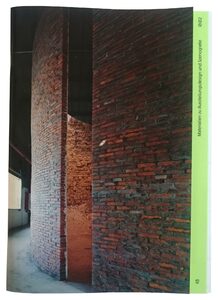
Cover: Bas Princen & Office KGDVS, „Wall Pavilion“, Installation auf der Architekturbiennale Shenzhen, 2012. Pavillon aus Backsteinmauerwerk mit drei großformatigen Fotografien einer antiken Mauer um den Ägyptischen Tempel von Dendera.
Grafik Credits: Johannes Hucht, Yannick Nuss
Bestellung unter mas@hfg-karlsruhe.de
- Heft 2: Stanisław Zamecznik
- Titel
- MAS 002
- Projektleiter/in
- Semester
- Lehrveranstaltung
- Importiert am
- 21.06.2023
- Übergeordnete Sets
- 1
- Set enthält
- 0 4
MAS 001
Name that can easily go onto 2 lines
Author that can easily go onto 2 lines as well
- Titel
- MAS 001
- Untertitel
- Judith Barry
- Autor/in
- Beschreibung (de)
- "Materialien zu Ausstellungsdesign und Szenografie" ist eine neue Publikationsreihe des Fachbereichs Ausstellungsdesign und Szenografie der HfG Karlsruhe. Sie setzt sich mit der Gestaltung von narrativen Räumen als kritischer Designpraxis auseinander. Materialien zu Ausstellungsdesign und Szenografie ist als fortlaufende Materialsammlung angelegt, in der Beiträge zu Diskussionen in unserem Fachgebiet zusammengetragen und zugänglich gemacht werden. Wir betrachten die einzelnen Ausgaben als Ausstellungsräume und die bedruckten Seiten als Displays. Dabei geht es uns nicht vorrangig um die Produktion neuer Beiträge sondern um bestehende Materialien, die durch ihre Auswahl, Kombination, Kontextualisierung oder Kommentierung, sowie ihre gestaltete Darstellung in Printform neue Zusammenhänge und Perspektiven herstellen.
Die erste Ausgabe von "Materialien für Ausstellungsdesign & Szenografie" beschäftigt sich mit Ausstellungsdesign als einer künstlerischen Praxis, die in den 1980er Jahren verstärkt sowohl von Künstlern als auch von Architekten und Designern als eigene Ausdrucksform in Anspruch genommen wurde. Ein Interview mit der amerikanischen Künstlerin Judith Barry beschreibt, wie in der politisierten Kunst der 1980er Jahre auf Design zurückgegriffen wurde. Helmut analysiert das komplizierte, historische Verhältnis von künstlerischer und gestalterischer Arbeit und geht der Frage nach inwieweit der sozialreformerische Anspruch von Design erneut zum Ausgangspunkt sowohl von kritischer als auch von künstlerischer Praxis werden kann.
- "Materialien zu Ausstellungsdesign und Szenografie" ist eine neue Publikationsreihe des Fachbereichs Ausstellungsdesign und Szenografie der HfG Karlsruhe. Sie setzt sich mit der Gestaltung von narrativen Räumen als kritischer Designpraxis auseinander. Materialien zu Ausstellungsdesign und Szenografie ist als fortlaufende Materialsammlung angelegt, in der Beiträge zu Diskussionen in unserem Fachgebiet zusammengetragen und zugänglich gemacht werden. Wir betrachten die einzelnen Ausgaben als Ausstellungsräume und die bedruckten Seiten als Displays. Dabei geht es uns nicht vorrangig um die Produktion neuer Beiträge sondern um bestehende Materialien, die durch ihre Auswahl, Kombination, Kontextualisierung oder Kommentierung, sowie ihre gestaltete Darstellung in Printform neue Zusammenhänge und Perspektiven herstellen.
- Beschreibung (en)
- "Materials on Exhibition Design and Scenography" is a new publication series from the department of Exhibition Design and Scenography at the HfG Karlsruhe. It deals with the design of narrative spaces as a critical design practice. "Materials on Exhibition Design and Scenography" is designed as an ongoing collection of material in which contributions to discussions in our field are compiled and made accessible. We view the individual issues as exhibition spaces and the printed pages as displays. We are not primarily concerned with the production of new contributions, but rather with existing materials that create new contexts and perspectives through their selection, combination, contextualization or commentary, as well as their designed presentation in print form.
The first issue of "Materials for Exhibition Design & Scenography" deals with exhibition design as an artistic practice that was increasingly used by artists as well as architects and designers as their own form of expression in the 1980s. An interview with the American artist Judith Barry describes how design was used in the politicized art of the 1980s. Helmut analyzes the complicated historical relationship between artistic and creative work and explores the question of the extent to which the social reformist aspirations of design have once again become the starting point for both critical and creative work.
- "Materials on Exhibition Design and Scenography" is a new publication series from the department of Exhibition Design and Scenography at the HfG Karlsruhe. It deals with the design of narrative spaces as a critical design practice. "Materials on Exhibition Design and Scenography" is designed as an ongoing collection of material in which contributions to discussions in our field are compiled and made accessible. We view the individual issues as exhibition spaces and the printed pages as displays. We are not primarily concerned with the production of new contributions, but rather with existing materials that create new contexts and perspectives through their selection, combination, contextualization or commentary, as well as their designed presentation in print form.
- Typ des Projekts/Werks
- Schlagworte
- Mitwirkende
- Dank an
- Sprache
- Abmessungen
- DIN A4
- Ort: Institution
- Stadt
- Land
- Bemerkungen
- Heft 1: Judith Barry
40 Seiten
32 Abb., farbig & s/w.
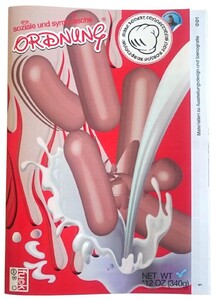
Cover: Lotte Meret Effinger, 2015
Grafik Credits: Johannes Hucht, Yannick Nuss
Bestellung unter mas@hfg-karlsruhe.de
- Heft 1: Judith Barry
- Titel
- MAS 001
- Projektleiter/in
- Semester
- Lehrveranstaltung
- Importiert am
- 27.04.2023
- Übergeordnete Sets
- 1
- Set enthält
- 0 4
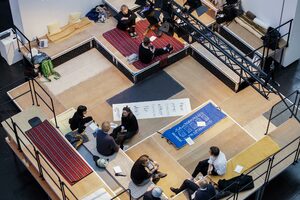
DGTF-Konferenz 2018
Name that can easily go onto 2 lines
Author that can easily go onto 2 lines as well
- Titel
- DGTF-Konferenz 2018
- Titel (en)
- Matters of Communication
- Untertitel des Projekts/Werks (en)
- 15th annual meeting of the German Society for Design Theory and Research
- Autor/in
- Beschreibung (de)
- Ob Raum, Bild, Text, Objekt oder System – Gestaltung ist immer auch Kommunikation. Gerade vor dem Hintergrund einer zunehmenden Radikalisierung, Segmentierung und Polemisierung von gesellschaftlichen Diskursen erscheint das Verhältnis von Gestaltung und Kommunikation heute brisanter denn je. Es entstehen immer neue Kommunikationsmedien, -kanäle, -räume und -systeme. Maschinen, Objekte, ja ganze Umgebungen werden zu eigenständigen Akteuren die mit uns kommunizieren und auf diversen medialen Ebenen in Interaktion treten. Wie sind die Kontexte, Möglichkeitsbedingungen und Wirkungszusammenhänge gestalteter Kommunikation heute zu verorten? Welche Begriffe sind notwendig um das Verhältnis von Gestaltung und Kommunikation aus heutiger Sicht zu konzeptualisieren?
Die Konferenz “Matters of Communication” schafft einen Raum der Auseinandersetzung darüber wie Kommunikation heute gestaltet wird, und wie Gestaltung heute kommuniziert.
Was sind richtungsweisende Ansätze und Methoden einer gestalterischen Forschung in Bezug auf die Kommunikation mittels, und innerhalb zeitgenössischer Ausdrucksformen, sowie kultureller und wirtschaftlicher Produktion? Wie reflektieren Forschungsprojekte die “Matters of Communication”, also die Form und Materialität gestalteter Kommunikation, und deren Rolle bei der Entstehung von Zuschreibungen und Interpretationszusammenhängen? Welche Rolle spielt Designforschung bei der Entwicklung von relevanten Fragestellungen und Lösungsansätzen? Wie findet Theoriebildung und eine Übersetzung in Lehre und Praxis statt?
PROGRAMM
Das Programm besteht aus Vorträgen, Diskussionen und Workshops, die in vier Themengebiete gefasst sind:
Sprache und Bild (auf Deutsch) Die Gestaltung von Kommunikation bewegt sich seit jeher zwischen den eher denotativen Qualitäten des geschriebenen Wortes und dem größeren konnotativen Freiraum des Bildes. Je nach gestalterischer Auffassung dient die visuelle Gestaltung der Unterstützung des Kommunikationsflusses, oder sprengt mit expressivem Gestus gewohnte visuelle Darstellungsformen. Wie wird Kommunikation in Sprache und Bild heute gestaltet, wahrgenommen/rezipiert und interpretiert? Was sind Einflussfaktoren, die auf die Gestaltung von visueller Kommunikation einwirken? Welchen Einfluss nimmt die visuelle Kommunikation auf herrschende gesellschaftliche Diskurse?
Raum und Inszenierung (auf Englisch) Von Unorten über Nutzbauten bis zu narrativen Erlebnisräumen, vom physikalischen Gebäude über augmentierte Hybridwelten bis zur virtuellen Realität – Räumlichkeit präsentiert sich vielschichtiger denn je. Wie funktionieren zeitgenössische Räume als Kommunikationsschnittstellen? Wie wird mit der Gestaltung dieser Räume argumentiert, erzählt und vermittelt? Welche Rolle spielt die Simulation als eine spezifische Ausdrucksform im Kontext wirtschaftlicher und gesellschaftlicher Fragestellungen?
Objekt und Interaktion (auf Deutsch) Gestaltete Objekte sind sowohl eine Kombination aus Material, Funktion und Ästhetik als auch eine Schnittstelle in komplexen technologischen, wirtschaftlichen und gesellschaftlichen Zusammenhängen. Wie wird die Kommunikation zwischen Objekten und Menschen, sowie zwischen Menschen mittels Objekten, heute gestaltet? Wie kommunizieren diese Objekte in Bezug auf ihre Stellung in wirtschaftlichen und ökologischen Kreisläufen? Welche Rolle spielt die Materialität bzw. die Immaterialität in Bezug auf die kommunikativen Fähigkeiten von Objekten?
Gesellschaft und System (auf Englisch) Komplexe Systeme wie Computer, Unternehmen oder Gesellschaften basieren auf dem ständigen Austausch von Stoffen, Energien, Symbolen und sind dadurch per se kommunikative Systeme. Wie werden solche Systeme gestaltet? Wie geht Gestaltung mit verschiedenen Anspruchsgruppen in diesen Systemen um? Was bedeutet gute Kommunikation in einem System, und wie werden Reibung und Konflikt als produktive Kräfte genutzt?
- Ob Raum, Bild, Text, Objekt oder System – Gestaltung ist immer auch Kommunikation. Gerade vor dem Hintergrund einer zunehmenden Radikalisierung, Segmentierung und Polemisierung von gesellschaftlichen Diskursen erscheint das Verhältnis von Gestaltung und Kommunikation heute brisanter denn je. Es entstehen immer neue Kommunikationsmedien, -kanäle, -räume und -systeme. Maschinen, Objekte, ja ganze Umgebungen werden zu eigenständigen Akteuren die mit uns kommunizieren und auf diversen medialen Ebenen in Interaktion treten. Wie sind die Kontexte, Möglichkeitsbedingungen und Wirkungszusammenhänge gestalteter Kommunikation heute zu verorten? Welche Begriffe sind notwendig um das Verhältnis von Gestaltung und Kommunikation aus heutiger Sicht zu konzeptualisieren?
- Beschreibung (en)
- Whether space, image, text, object or system – design is always also communication. Against the backdrop of increasing radicalization, segmentation and polemization of social discourses, the relationship between design and communication seems more volatile today than ever. New communications media, channels, spaces and systems are constantly emerging. Machines, objects, even entire environments become independent actors that communicate with us and interact on various media levels. How can we sound out the contexts, the conditions that lead to possibility and the interdependencies of impact with regard to designed communication? What concepts are needed to conceptualize the relationship between design and communication from a present-day point of view?
The DGTF conference “Matters of Communication” creates a space for discussion about how communication is designed today and how design is communicated today. What are the pioneering approaches and methods of design research in relation to communication through and within contemporary forms of expression, as well as cultural and economic production? How do research projects reflect “Matters of Communication”, i.e. the form and materiality of designed communication, and their role in the emergence of attributions and interpretation contexts? What is the role that design research plays in the development of relevant questions and solutions? How is theory formation and translation into teaching and practice carried out?
PROGRAM
The program consists of lectures, discussions and workshops grouped into four thematic areas:
Language and Image (in German) The design of communication has always moved between the more denotative qualities of the written word and the greater connotative freedom of the image. Depending on the creative conception, the visual design serves to support the flow of communication or, with an expressive gesture, breaks with the usual forms of visual representation. How is communication in language and image designed, perceived/received and interpreted today? What are the factors that influence the design of visual communication? What influence does visual communication have on prevailing social discourses?
Space and staging (in English) From non-places to utility buildings to narrative experience spaces, from physical buildings to augmented hybrid worlds to virtual reality - spatiality is more complex than ever. How do contemporary spaces function as communication interfaces? How is the design of these spaces used to argue, narrate and communicate? What role does simulation play as a specific form of expression in the context of economic and social issues?
Object and Interaction (in German) Designed objects are a combination of material, function and aesthetics as well as an interface in complex technological, economic and social contexts. How is communication between objects and people, and between people and objects, organized today? How do these objects communicate in relation to their position in economic and ecological cycles? What role does materiality or immateriality play in relation to the communicative abilities of objects?
Society and system Complex systems such as computers, companies or societies are based on the constant exchange of materials, energies and symbols and are therefore communicative systems per se. How are such systems designed? How does design deal with different stakeholder groups in these systems? What does good communication mean in a system, and how are friction and conflict used as productive forces?
- Whether space, image, text, object or system – design is always also communication. Against the backdrop of increasing radicalization, segmentation and polemization of social discourses, the relationship between design and communication seems more volatile today than ever. New communications media, channels, spaces and systems are constantly emerging. Machines, objects, even entire environments become independent actors that communicate with us and interact on various media levels. How can we sound out the contexts, the conditions that lead to possibility and the interdependencies of impact with regard to designed communication? What concepts are needed to conceptualize the relationship between design and communication from a present-day point of view?
- Typ des Projekts/Werks
- Schlagworte
- Datierung
- 16.11.2018 - 18.11.2018
- Mitwirkende
- Sprache
- Ort: Institution
- Ort
- Lichthöfe
- Stadt
- Land
- Beteiligte Institution(en)
- Internetlinks
- Bemerkungen
- Graphik-Design: Lena Haselmann and Catharina Grözinger, © DGTF
- Graphik-Design: Lena Haselmann and Catharina Grözinger, © DGTF
- Titel
- DGTF-Konferenz 2018
- Projektleiter/in
- Semester
- Importiert am
- 21.06.2023
- Übergeordnete Sets
- 0
- Set enthält
- 0 8
Re-reading the Manual of Travelling Exhibitions, UNESCO 1953
Name that can easily go onto 2 lines
Author that can easily go onto 2 lines as well
- Titel
- Re-reading the Manual of Travelling Exhibitions, UNESCO 1953
- Titel (en)
- Re-reading the Manual of Travelling Exhibitions, UNESCO 1953
- Autor/in
- Beschreibung (de)
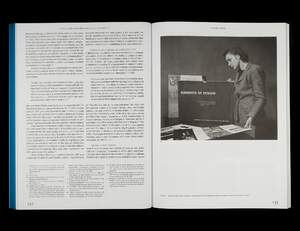
- Das 1953 von der UNESCO herausgegebene Manual of Travelling Exhibitions ist ein Handbuch zur Organisation von Wanderausstellungen. An Museen und andere öffentliche Institutionen gerichtet, formuliert es eine Grammatik des Ausstellens: von organisatorischen Fragen bis zum Ausstellungsdesign. Das „Manual“ liest sich aus heutiger Sicht wie ein Manifest einer noch ungebrochenen Moderne der unmittelbaren Nachkriegszeit.
Ein umfangreich kommentierter Reprint des Manual of Travelling Exhibitions soll zum einen die historische Quelle kontextualisieren und kritisch hinterfragen, zum anderen verschiedene Formen der Aktualisierung aufzeigen. Dabei sind die Inhalte des „Manual“ ebenso bedeutsam wie seine immanenten Fehlstellen, die Buchgestaltung oder die fotografische Logik der Abbildungen.
- Das 1953 von der UNESCO herausgegebene Manual of Travelling Exhibitions ist ein Handbuch zur Organisation von Wanderausstellungen. An Museen und andere öffentliche Institutionen gerichtet, formuliert es eine Grammatik des Ausstellens: von organisatorischen Fragen bis zum Ausstellungsdesign. Das „Manual“ liest sich aus heutiger Sicht wie ein Manifest einer noch ungebrochenen Moderne der unmittelbaren Nachkriegszeit.
- Beschreibung (en)
- The Manual of Travelling Exhibitions published by UNESCO in 1953 is a handbook on organizing touring exhibitions. Aimed at museums and other public institutions, it formulates a “grammar” of how to exhibit, ranging from organizational questions to reflections on exhibition design. From today’s perspective the manual reads like the manifesto of a modernity whose continuity was still unbroken in the immediate post-war period. This extensively annotated reprint of the Manual of Travelling Exhibitions is intended, on the one hand, to contextualize and critically examine the historical source and, on the other, to show different ways of updating it. The contents of the manual share the same importance as the inherent gaps it contains, the book’s design, and the photographic logic of the images.
- Typ des Projekts/Werks
- Schlagworte
- Datierung
- November 2018
- Mitwirkende
- Sprache
- Abmessungen
- 23,5 x 31 cm
- Stadt
- Land
- Internetlinks
- Bemerkungen
- 247 Seiten
Reproduktion des Originals und 20 weitere Abbildungen
fadengeheftete Broschur
ISBN: 9783959051361
Spector Books
Designer: Lena Thomaka, Johannes Hucht
Text: Martin Beck, Clémentine Deliss, Kurt Eckert, Jochen Eisenbrand, Rike Franke, Helene Hermann, Lydia Kähny, Tina Köhler, Moritz Küng, Sophie Lichtenberg, Jonathan Maho, Vanessa Joan Müller, Andreas Müller, Jennifer Tobias, Gitte Villesen, Nader Vossoughian, Florian Walzel, Grant Watson, Joanna Weddell, Maxim Weirich, Aaron Werbick
Herausgebende: Andreas Müller, Lydia Kähny, Sophie Lichtenberg, Aaron Werbick, Maxim Weirich
- 247 Seiten
- Titel
- Re-reading the Manual of Travelling Exhibitions, UNESCO 1953
- Projektleiter/in
- Semester
- Lehrveranstaltung
- Archiv-Signatur
- Externes Archiv
- Importiert am
- 29.06.2023
- Übergeordnete Sets
- 1
- Set enthält
- 0 9
Häuser zum Anfassen
Name that can easily go onto 2 lines
Author that can easily go onto 2 lines as well
- Titel
- Häuser zum Anfassen
- Beschreibung (de)
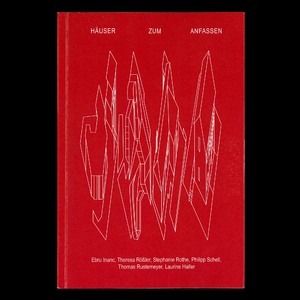
- Die Ausstellung “Häuser zum Anfassen“ befasst sich mit dem Ausstellen von Architektur. In künstlerischen Recherchearbeiten verhandelt sie Fragen zur Repräsentation, Medialisierung, Simulation und Aneignung von Architektur anhand der Musterhaus-Ausstellung in Fellbach. Diese wurde 1971 vom Verleger Ottmar Strebel gegründet und ist nach eigener Darstellung die erste ihrer Art in Deutschland. Besucherinnen und Besucher können hier 66 verschiedene, nahezu komplett eingerichtete Musterhäuser besichtigen, begehen und kaufen. So entsteht ein Hybrid aus Ausstellung, Kulissensiedlung und Simulationsarchitektur.
- Beschreibung (en)
- The exhibition "Häuser zum Anfassen" ("Houses to touch") deals with the exhibition of architecture. In artistic works of research, it deals with questions of representation, medialization, simulation and appropriation of architecture based on the model house exhibition in Fellbach. This exhibition was established in 1971 by the publisher Ottmar Strebel and is, by his own account, the first of its kind in Germany. Visitors can view, walk through and purchase 66 different, almost fully furnished show homes. The result is a hybrid of exhibition, scenic estate and simulated architecture.
- Typ des Projekts/Werks
- Schlagworte
- Datierung
- 05.02.2019 - 13.02.2019
- Mitwirkende
- Sprache
- Ort: Institution
- Ort
- Waldstraße 8 76133 Karlsruhe
- Stadt
- Land
- Beteiligte Institution(en)
- Titel
- Häuser zum Anfassen
- Projektleiter/in
- Semester
- Lehrveranstaltung
- Importiert am
- 29.06.2023
- Übergeordnete Sets
- 1
- Set enthält
- 0 9
Literatursalon HfG - ZKM
Name that can easily go onto 2 lines
Author that can easily go onto 2 lines as well
- Titel
- Literatursalon HfG - ZKM
- Titel (en)
- Literatursalon HfG - ZKM
- Autor/in
- Typ des Projekts/Werks
- Schlagworte
- Datierung
- 26.10.2023
- Ort: Institution
- Ort
- Media Lounge, R. 112
- Stadt
- Land
- Beteiligte Institution(en)
- Titel
- Literatursalon HfG - ZKM
- Importiert am
- 28.11.2023
- Übergeordnete Sets
- 0
- Set enthält
- 1 0
Vom Nutzen der Kunst
Name that can easily go onto 2 lines
Author that can easily go onto 2 lines as well
- Titel
- Vom Nutzen der Kunst
- Titel (en)
- On the benefits of art
- Autor/in
- Beschreibung (de)
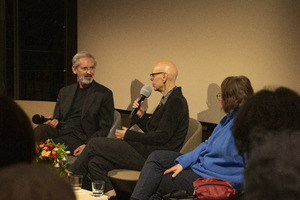
- In der gemeinsamen Gesprächsreihe "Vom Nutzen der Kunst" von ZKM und HfG, laden wir internationale Gäste aus Philosophie, Literatur und Kunst zum offenen Austausch mit den Hochschulangehörigen, den Mitarbeitenden des ZKM und der Karlsruher Bevölkerung ein.
- Beschreibung (en)
- In the joint series of talks between ZKM and HfG, we invite international guests from the fields of philosophy, literature and art to an open exchange with members of the university, ZKM staff and the people of Karlsruhe.
- Typ des Projekts/Werks
- Schlagworte
- Datierung
- 16.11.2023
- Ort: Institution
- Ort
- Media Lounge
- Stadt
- Land
- Titel
- Vom Nutzen der Kunst
- Importiert am
- 28.11.2023
- Übergeordnete Sets
- 0
- Set enthält
- 2 0
Handeln mit Zwecken. Künste im 21. Jahrhundert
Name that can easily go onto 2 lines
Author that can easily go onto 2 lines as well
- Titel
- Handeln mit Zwecken. Künste im 21. Jahrhundert
- Titel (en)
- On the benefits of art - with philosopher and artist Judith Siegmund ZKM & HfG Talk Series
- Untertitel
- mit Philosophin und Künstlerin Judith Siegmund ZKM & HfG Gesprächsreihe
- Autor/in
- Beschreibung (de)
- In der gemeinsamen Gesprächsreihe "Vom Nutzen der Kunst" von ZKM und HfG, laden wir internationale Gäste aus Philosophie, Literatur und Kunst zum offenen Austausch mit den Hochschulangehörigen, den Mitarbeitenden des ZKM und der Karlsruher Bevölkerung ein. Zum Auftakt sprechen Alistair Hudson und Constanze Fischbeck mit der Philosophin und Künstlerin Judith Siegmund.
Der Titel des Vortrags an diesem Abend wird sein: "Handeln mit Zwecken. Künste im 21. Jahrhundert“
- In der gemeinsamen Gesprächsreihe "Vom Nutzen der Kunst" von ZKM und HfG, laden wir internationale Gäste aus Philosophie, Literatur und Kunst zum offenen Austausch mit den Hochschulangehörigen, den Mitarbeitenden des ZKM und der Karlsruher Bevölkerung ein. Zum Auftakt sprechen Alistair Hudson und Constanze Fischbeck mit der Philosophin und Künstlerin Judith Siegmund.
- Beschreibung (en)
- In the joint series of talks between ZKM and HfG, we invite international guests from the fields of philosophy, literature and art to an open exchange with members of the university, ZKM staff and the people of Karlsruhe. To kick things off, Alistair Hudson and Constanze Fischbeck will be talking with the philosopher and artist Judith Siegmund.
Judith Siegmund is a professor of philosophical aesthetics at the Zurich University of the Arts. In her book »Zweck und Zweckfreiheit« (2019), she questions the demand for purposelessness in artistic creation that emerged in 20th-century aesthetic theory with reference to Kant. Instead, she starts from the assumption that aesthetic theory must prove adequate to its object.
- In the joint series of talks between ZKM and HfG, we invite international guests from the fields of philosophy, literature and art to an open exchange with members of the university, ZKM staff and the people of Karlsruhe. To kick things off, Alistair Hudson and Constanze Fischbeck will be talking with the philosopher and artist Judith Siegmund.
- Typ des Projekts/Werks
- Schlagworte
- Datierung
- 16.11.2023
- Mitwirkende
- Ort: Institution
- Ort
- ZKM Medialounge
- Stadt
- Land
- Beteiligte Institution(en)
- Internetlinks
- Titel
- Handeln mit Zwecken. Künste im 21. Jahrhundert
- Importiert am
- 23.11.2023
- Übergeordnete Sets
- 1
- Set enthält
- 0 18
SCHREIBWorkshops : Ewe Benbenek
Name that can easily go onto 2 lines
Author that can easily go onto 2 lines as well
- Titel
- SCHREIBWorkshops : Ewe Benbenek
- Autor/in
- Titel
- SCHREIBWorkshops : Ewe Benbenek
- Importiert am
- 06.11.2023
- Übergeordnete Sets
- 1
- Set enthält
- 0 28
Shaking the Archive
Name that can easily go onto 2 lines
Author that can easily go onto 2 lines as well
- Titel
- Shaking the Archive
- Titel (en)
- Shaking the Archive
- Untertitel
- Towards future methodologies
- Autor/in
- Beschreibung (de)
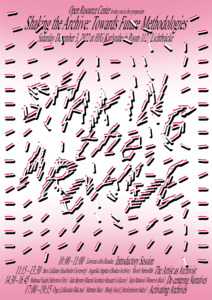
- Weltweit entstehen immer mehr „marginale“, „laterale" oder nicht-institutionelle, selbstinitiierte, informelle und kleine private Archive, die von der Politik öffentlicher Institutionen hinterlassene Lücken schließen und marginalisierten Personen und Realitäten eine Stimme geben. Dabei handelt es sich oft nicht um Archive im eigentlichen Sinne, sondern um Indizes oder kreative Projekte, die mit Materialien und Daten auf neuartige Weise umgehen. Parallel dazu und in Verbindung damit ist eine große Anzahl von forschungsbasierten kreativen Praktiken entstanden, die mit der Aneignung und Neuformulierung archivarischer Methoden arbeiten und damit auf eine Medienrealität im beschleunigten Wandel reagieren. Das Internet und die neuen Medien fordern dazu heraus, neue Sprachen und Methoden des Archivierens zu entwickeln, aber auch eine politisch-strategische, interdisziplinäre Debatte darüber zu führen, was es wirklich bedeutet, Archivmaterial zu teilen beziehungsweise zu kommerzialisieren. Die oben genannten Phänomene: subalterne Archive, forschungsbasierte künstlerische Praktiken und das Aufkommen neuer Medien erschüttern das Archiv – sowohl Inhalt als auch formal – auf unterschiedliche Weise. Gerade der Blick auf kleine und marginale Archivierungsinitiativen lässt uns die heutigen Herausforderungen im Feld der Archive verstehen: das kontinuierliche Aufzeichnen von Ereignissen, das dynamische und autonome Verwalten von Daten, das Dokumentieren und Bewahren möglichst aller Stimmen.
Das Thema des 30-jährigen Jubiläums der HfG Karlsruhe ist "The future of“. Die Zukunft können wir nicht gestalten, ohne uns den gegenwärtigen Fragen der Archivierung des Vergangenen zu stellen. Um unsere Sicht auf die Realität, auf konventionelle westliche Formen des Wissens, der Klassifizierung und der Bewertung in Frage zu stellen, um die jüngste Vergangenheit und ihre materiellen und „immateriellen“ Veränderungen zu dokumentieren, um die vielfältigen und miteinander verknüpften Dringlichkeiten der Gegenwart anzugehen, brauchen wir sowohl das Archiv als auch seine Erschütterungen. Anstatt den Begriff des Fortschritts in Bezug auf die Zukunft allgemein und insbesondere auf die Zukunft des Archivierens zu verwenden, möchten wir die Dimension der Zukunft unter dem Aspekt des Potenzials untersuchen.
Gastredner*innen sind u. a. der Künstler Lawrence Abu Hamdan, die Begründerin des Cyberfeminism Index Mindy Seu, die Direktorin der Villa Romana in Florenz Angelika Stepken und die Wissenschaftlerin Özge Çelikaslan. Das Programm wird in Kürze veröffentlicht werden.
- Weltweit entstehen immer mehr „marginale“, „laterale" oder nicht-institutionelle, selbstinitiierte, informelle und kleine private Archive, die von der Politik öffentlicher Institutionen hinterlassene Lücken schließen und marginalisierten Personen und Realitäten eine Stimme geben. Dabei handelt es sich oft nicht um Archive im eigentlichen Sinne, sondern um Indizes oder kreative Projekte, die mit Materialien und Daten auf neuartige Weise umgehen. Parallel dazu und in Verbindung damit ist eine große Anzahl von forschungsbasierten kreativen Praktiken entstanden, die mit der Aneignung und Neuformulierung archivarischer Methoden arbeiten und damit auf eine Medienrealität im beschleunigten Wandel reagieren. Das Internet und die neuen Medien fordern dazu heraus, neue Sprachen und Methoden des Archivierens zu entwickeln, aber auch eine politisch-strategische, interdisziplinäre Debatte darüber zu führen, was es wirklich bedeutet, Archivmaterial zu teilen beziehungsweise zu kommerzialisieren. Die oben genannten Phänomene: subalterne Archive, forschungsbasierte künstlerische Praktiken und das Aufkommen neuer Medien erschüttern das Archiv – sowohl Inhalt als auch formal – auf unterschiedliche Weise. Gerade der Blick auf kleine und marginale Archivierungsinitiativen lässt uns die heutigen Herausforderungen im Feld der Archive verstehen: das kontinuierliche Aufzeichnen von Ereignissen, das dynamische und autonome Verwalten von Daten, das Dokumentieren und Bewahren möglichst aller Stimmen.
- Beschreibung (en)
- 'Marginal/Lateral’ or non-institutional, self-initiated, informal and small private archives are cropping up across the globe to address gaps and offer a voice to marginalized bodies and realities. These are often not archives in the strict sense of the word, but come in the form of indexes or creative projects that reframe materials and data. Both in parallel and in conjunction, an unprecedented number of research based creative practices, which use appropriation and re-framing (by drawing from the archive or building it) as the basis for their work, and to make sense of a rapidly changing mediatic reality, have also emerged. The added context of the internet and the birth of new media have created the urgency to create a new language and method of archiving, as well for an ethical debate, across different disciplines, around what it really means to share (and often commodify) archival materials. The above fields of enquiry: subaltern archives, research based artistic practices and the emergence of new media are all shaking the archive—both in terms of content and container—in different ways. In order to re-shape our ways of keeping a dynamic record, of sorting and storing data, of preserving all voices, we cannot ignore small scale archival initiatives and attempts.
The theme of HfG’s 30 year anniversary is “the future of” and a future cannot be consciously built without facing a new set of questions around archiving present and past. In order to upend our learned assumptions about reality, about Western forms of knowledge, classification and value; in order to keep a record of the recent past and its material and immaterial transformations; in order to address the multiple, yet interconnected urgencies of the present, we need both the archive and the question, and neither of these ingredients can ever be static. Rather than adopting a notion of progress in relation to the future in general and the future of archiving more specifically, we would like to explore the idea of the future within the framework of potential.
Guests include artist Lawrence Abu Hamdan, Cyberfeminism Index Founder, Mindy Seu, director of Villa Romana in Florence, Angelika Stepken, researcher, Özge Çelikaslan and more. A detailed schedule will be released in the coming weeks.
- 'Marginal/Lateral’ or non-institutional, self-initiated, informal and small private archives are cropping up across the globe to address gaps and offer a voice to marginalized bodies and realities. These are often not archives in the strict sense of the word, but come in the form of indexes or creative projects that reframe materials and data. Both in parallel and in conjunction, an unprecedented number of research based creative practices, which use appropriation and re-framing (by drawing from the archive or building it) as the basis for their work, and to make sense of a rapidly changing mediatic reality, have also emerged. The added context of the internet and the birth of new media have created the urgency to create a new language and method of archiving, as well for an ethical debate, across different disciplines, around what it really means to share (and often commodify) archival materials. The above fields of enquiry: subaltern archives, research based artistic practices and the emergence of new media are all shaking the archive—both in terms of content and container—in different ways. In order to re-shape our ways of keeping a dynamic record, of sorting and storing data, of preserving all voices, we cannot ignore small scale archival initiatives and attempts.
- Typ des Projekts/Werks
- Schlagworte
- Datierung
- 03.12.2022
- Mitwirkende
- Sprache
- Ort: Institution
- Ort
- R. 112 und Lichthof
- Stadt
- Land
- Internetlinks
- Titel
- Shaking the Archive
- Importiert am
- 28.02.2023
- Übergeordnete Sets
- 0
- Set enthält
- 0 1